English
 简体中文
简体中文


- April 09, 2026
2026 Global Stone Market Trends: What Buyers & Designers Should Know
1. Warm Tones and Natural Aesthetics Take Center Stage
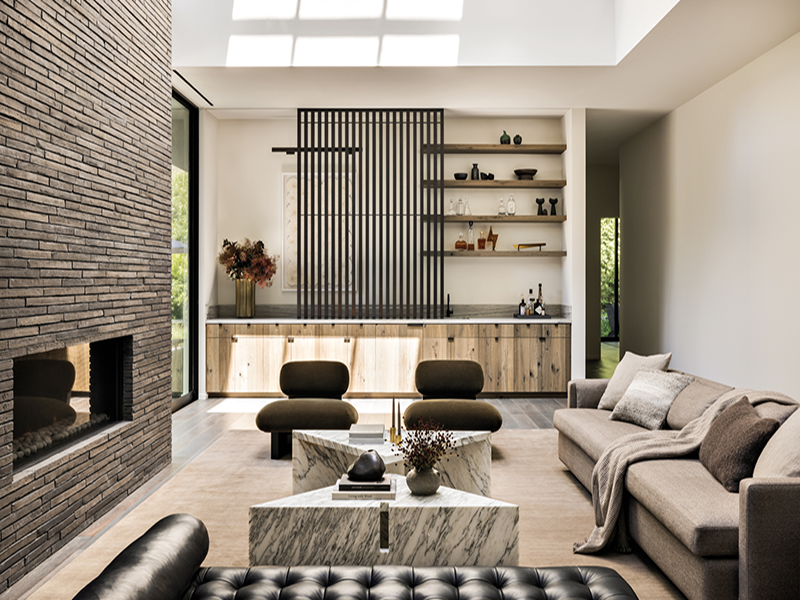
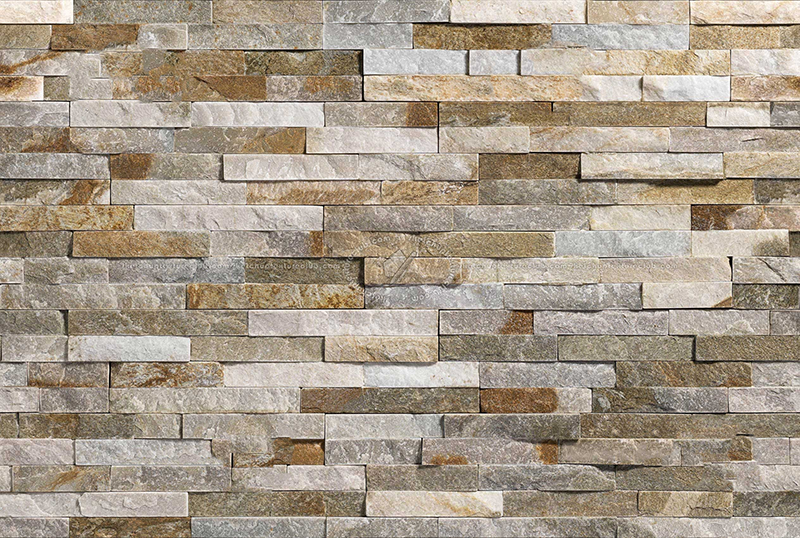
A noticeable shift is reshaping the global stone market in 2026. Cool greys, once the hallmark of minimalist interiors, are gradually уступing to warmer, nature-inspired tones. Designers and buyers are increasingly drawn to materials that evoke comfort and authenticity—beige quartzite, cream marble, and travertine are leading this transformation.
This movement reflects a broader design philosophy centered on wellness and biophilic living. Spaces are no longer just visually appealing; they are expected to feel inviting and emotionally resonant. Natural textures and earthy hues help create this connection, making warm-toned stones a preferred choice for both residential and hospitality projects.
Key highlights
Rising demand for beige and cream-colored stones
Increased use of travertine and limestone
Emphasis on organic textures and natural finishes
2. Large Format and Seamless Applications
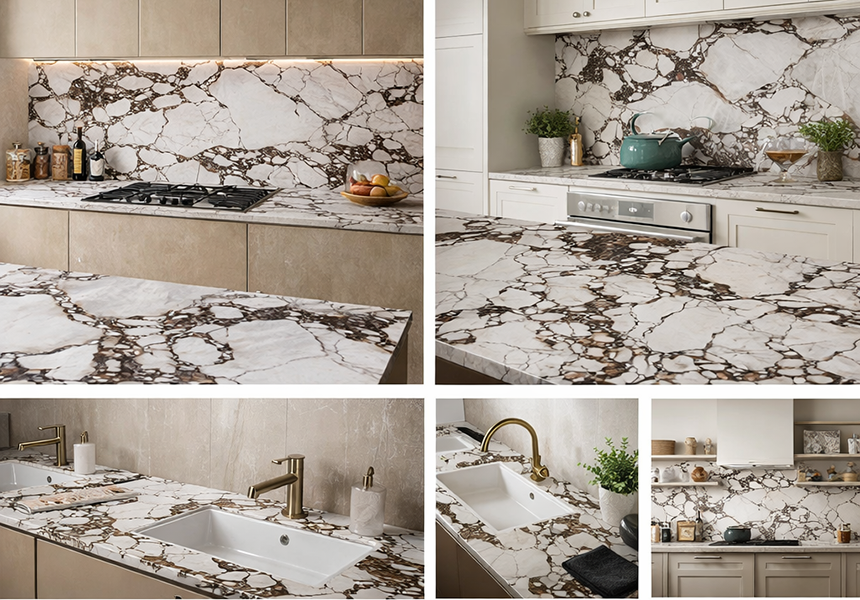
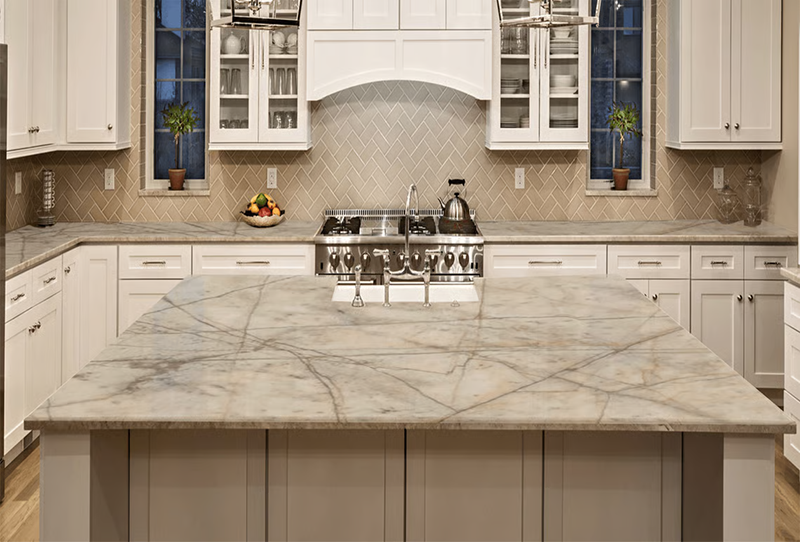
Scale is becoming a defining characteristic of contemporary stone design. Large-format slabs are gaining popularity for their ability to create seamless and visually striking surfaces. With fewer joints and uninterrupted veining, these slabs enhance spatial continuity and elevate the perception of luxury.
Technological advancements in quarrying, processing, and transportation have made it easier to produce and install oversized slabs. As a result, architects and developers are increasingly specifying them for high-end residential and commercial projects.
Benefits of large-format slabs
Seamless aesthetics with minimal grout lines
Enhanced visual continuity and luxury appeal
Ideal for feature walls, waterfall islands, and expansive flooring
3. Sustainability and Responsible Sourcing
Manufacturers are responding by adopting cleaner extraction methods, reducing water consumption, and incorporating recycled content, particularly in products like terrazzo. Transparency in the supply chain is becoming a key differentiator, with clients seeking assurance regarding ethical sourcing and environmental impact.
Sustainability trends
Adoption of eco-friendly quarrying and processing techniques
Increased use of recycled materials in terrazzo
Growing importance of environmental certifications
Preference for long-lasting, low-maintenance materials

4. Digitalization and Customization
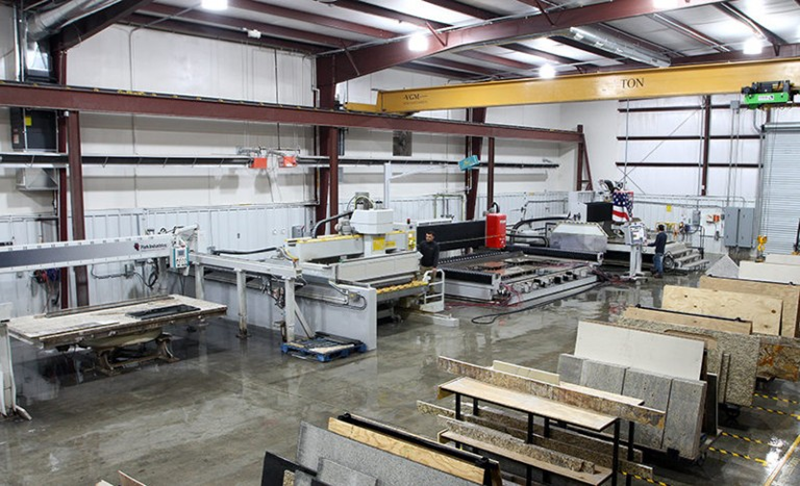
The integration of digital technologies is transforming how stone is selected, fabricated, and installed. Tools such as 3D slab scanning, virtual showrooms, and CNC fabrication allow for greater precision and customization, enabling designers to visualize and execute complex projects with confidence.
Customization is becoming a standard expectation rather than a luxury. Clients increasingly demand cut-to-size solutions, bookmatched installations, and bespoke finishes that align with their unique design visions.
Technological advancements
Digital slab visualization for accurate project planning
CNC and waterjet cutting enabling intricate designs
Expansion of virtual showrooms for global buyers
Enhanced precision and efficiency in fabrication
5. Market Dynamics and Regional Opportunities
The global stone market in 2026 is shaped by evolving economic conditions and regional development patterns. While mature markets in North America and Europe continue to demand premium materials, emerging economies in the Middle East and Southeast Asia are driving significant growth through large-scale infrastructure and hospitality projects.
Key market insights
Stable demand in North America and Europe for high-end residential renovations
Rapid growth in the Middle East and Asia driven by hospitality and commercial developments
Increasing emphasis on supply chain reliability and logistics efficiency
Rising demand for value-added services, including fabrication and project support
Suppliers that can ensure consistent quality, timely delivery, and comprehensive service offerings are well positioned to capitalize on these opportunities.

Conclusion
The global stone market in 2026 is characterized by a convergence of aesthetic evolution, technological innovation, and sustainability awareness. Warm color palettes, large-format applications, responsible sourcing, and digital customization are redefining how natural stone is specified and utilized.
For buyers and designers, understanding these trends is essential for making informed decisions and staying competitive in an increasingly dynamic industry. By aligning material selection with these emerging directions, stakeholders can create spaces that are not only visually compelling but also sustainable and future-ready.