1. What Exactly Is Natural Marble?
4
Natural marble isn’t “made.” It’s transformed—slowly, under pressure, across geological time. Limestone, once ordinary, is recrystallized deep within the earth until it becomes something denser, richer, almost luminous.
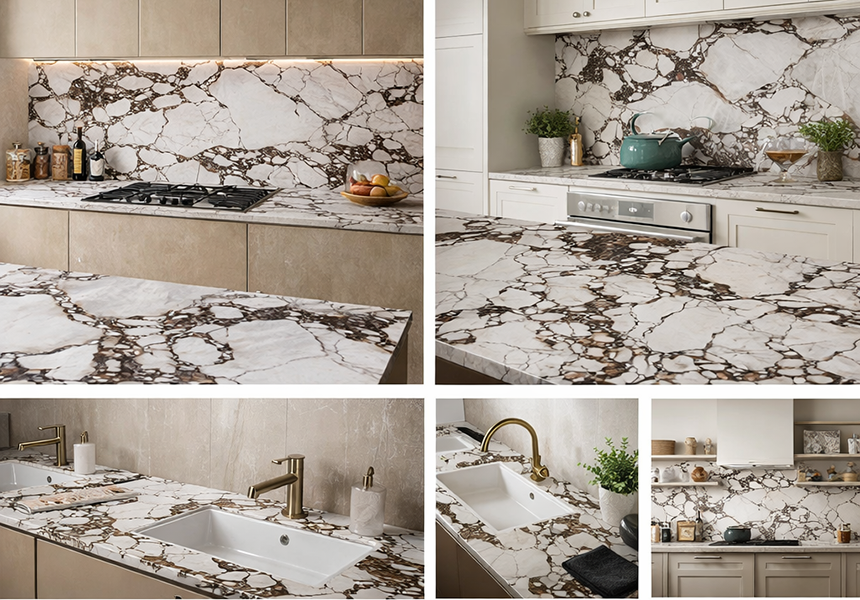
Look closely at a slab. Those veins? Not decoration. They’re mineral traces—calcite, graphite, iron—etched into stone like a frozen current.
So what defines real marble?
A crystalline structure that catches and softens light
Organic veining—irregular, unpredictable, impossible to repeat
A surface that feels alive, not printed or engineered
No two slabs match perfectly. That’s not a flaw. It’s the point.
2. Types of Marble: Not All Whites Are the Same
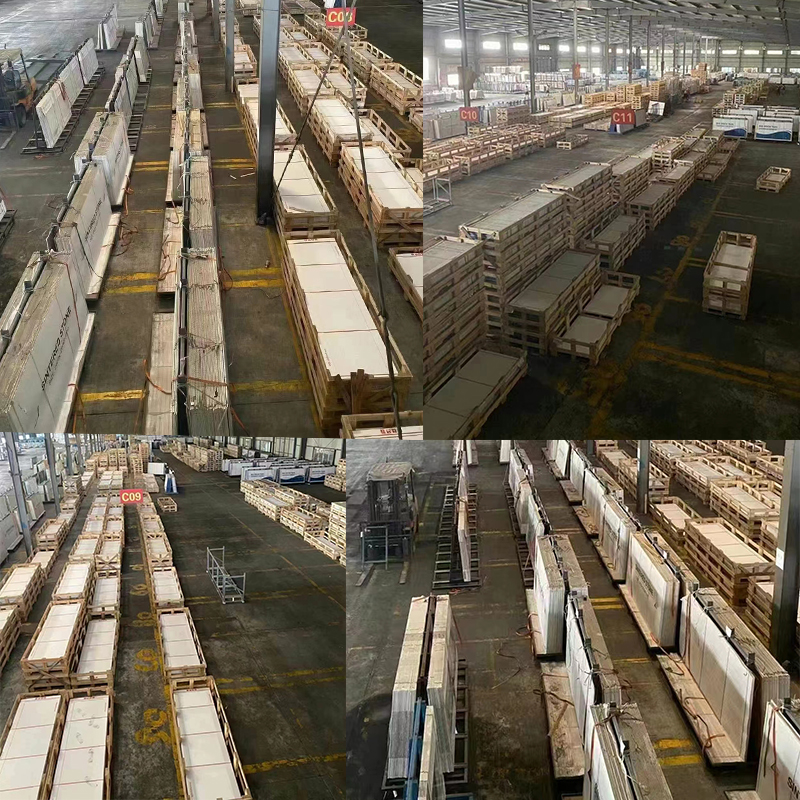
At first glance, marble categories seem simple—white, dark, colored. But stand in a slab yard and the differences become obvious, almost confrontational.
Is that white marble soft and cloudy, or sharp with contrast? Does the veining drift… or strike?
Common variations you’ll encounter
White marbles (e.g., Carrara, Calacatta): subtle vs bold veining
Dark marbles: deeper tones, often more dramatic and formal
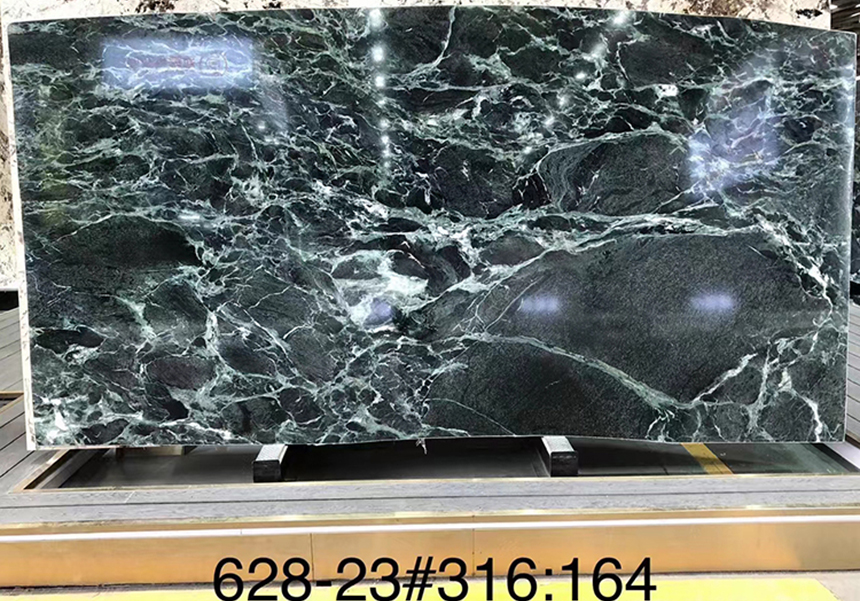
Colored marbles: greens, reds, golds—less predictable, more expressive
Here’s the catch: names don’t guarantee consistency. Even within the same quarry, blocks can vary. Selection isn’t about category—it’s about the exact slab.
3. Performance: Beautiful, But Demanding
4
Marble has a reputation. Some say it’s fragile. Others insist it ages gracefully. Both are right.
It’s softer than granite. More porous than quartzite. It reacts—sometimes visibly.
What you need to understand before buying
It can etch when exposed to acids (lemon, vinegar… even wine)
It may stain if not sealed properly
Scratches happen—but often blend into a natural patina over time
Polished finishes reflect more, but show etching clearly. Honed finishes mute the surface—and hide imperfections better. So which is better? Depends on your tolerance for change.
Because marble will change.
4. Buying Smart: What Actually Matters
4
Buying marble isn’t just picking a color. It’s a series of decisions—some obvious, others easy to miss.
You don’t buy “a type.” You buy that slab. Or that bundle.
Key checks before you commit
Inspect for cracks, resin fills, or repairs (common, but should be disclosed)
Confirm slab thickness and reinforcement for your application
Review multiple slabs if you need consistency across large areas
Ask about origin and batch—it affects both look and price
And one more thing—lighting. A slab under warehouse LEDs won’t look the same in your home. Always consider the final environment.
Conclusion
So, what is natural marble?
It’s not just a material. It’s a surface that evolves. It reflects light, absorbs history, and—over time—records how it’s used.
Is it perfect? No. That’s exactly why people choose it.
Because perfection is static. Marble isn’t.
It shifts, marks, softens… and somehow becomes more personal because of it.
Read More