English
 简体中文
简体中文

- March 19, 2026
What Affects the Price of Quartzite Slabs?
1. Material Quality and Rarity
What truly drives value here?
Rarity of origin — some quarries produce only limited, highly sought-after blocks
Visual coherence — consistent color and pattern raise the grade
Structural integrity — fewer fissures, stronger composition
A slab with dramatic translucency or rare coloration? That’s not just material—it’s scarcity captured in stone. And scarcity always commands a premium.
2. Slab Thickness and Size
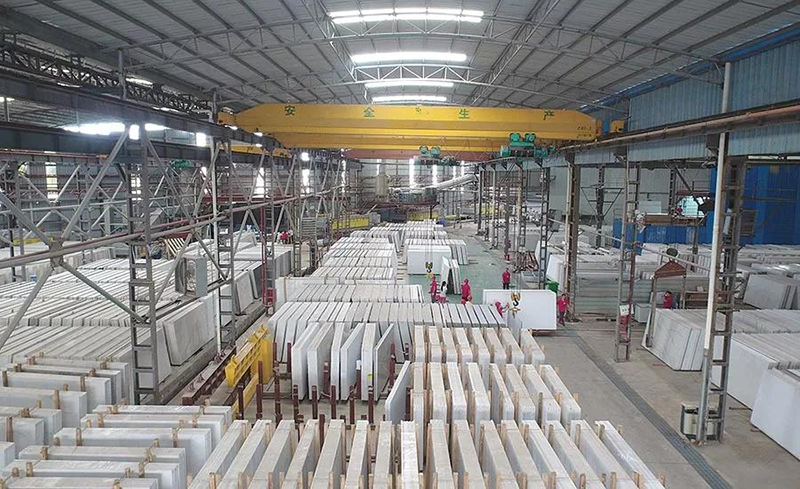
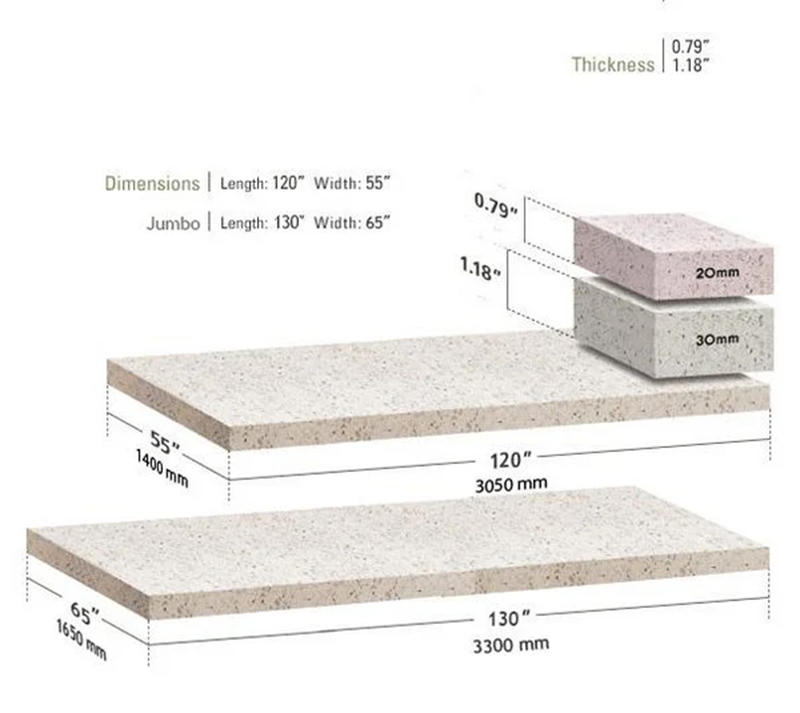
Thickness seems like a technical detail. It isn’t. It’s a cost lever.
A 3cm slab feels solid, grounded, almost architectural. A 2cm slab? Lighter, more economical—but sometimes less forgiving under stress.
Where does the price difference come from?
Material yield — thicker cuts consume more raw block
Structural performance — thicker slabs reduce the need for reinforcement
Scale matters — oversized slabs mean fewer seams, but higher cost per piece
And then there's size. Large-format slabs are visually stunning—clean, uninterrupted surfaces—but they’re harder to quarry, riskier to transport, and yes, more expensive. Beauty, in this case, stretches the budget.
3. Processing and Finishing
Processing variables that shift pricing
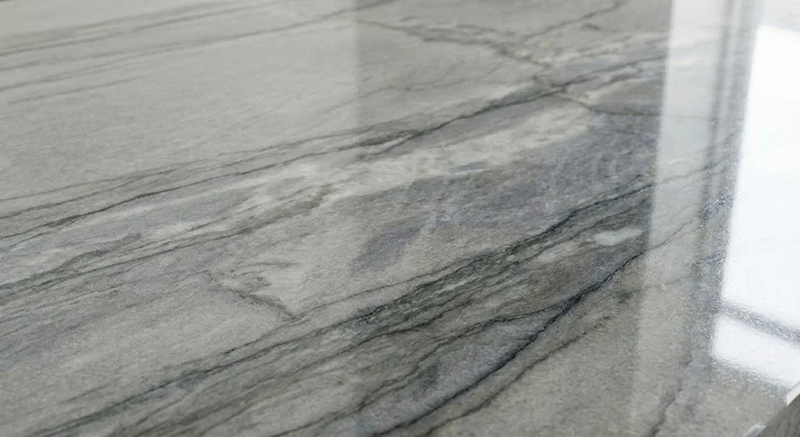
Surface finish — polished surfaces gleam, but require intensive labor; leathered finishes introduce texture and depth
Edge detailing — beveled, eased, or custom profiles increase fabrication complexity
Resin treatment — weaker slabs are stabilized, often invisibly, but never without cost
A question worth asking: do you want a surface that quietly performs, or one that actively speaks? Because finishes don’t just change appearance—they redefine how the material interacts with light, touch, and space.
4. Transportation and Supply Chain
Hidden costs behind the slab
Freight and fuel fluctuations — global logistics are unpredictable
Import duties and regional taxes
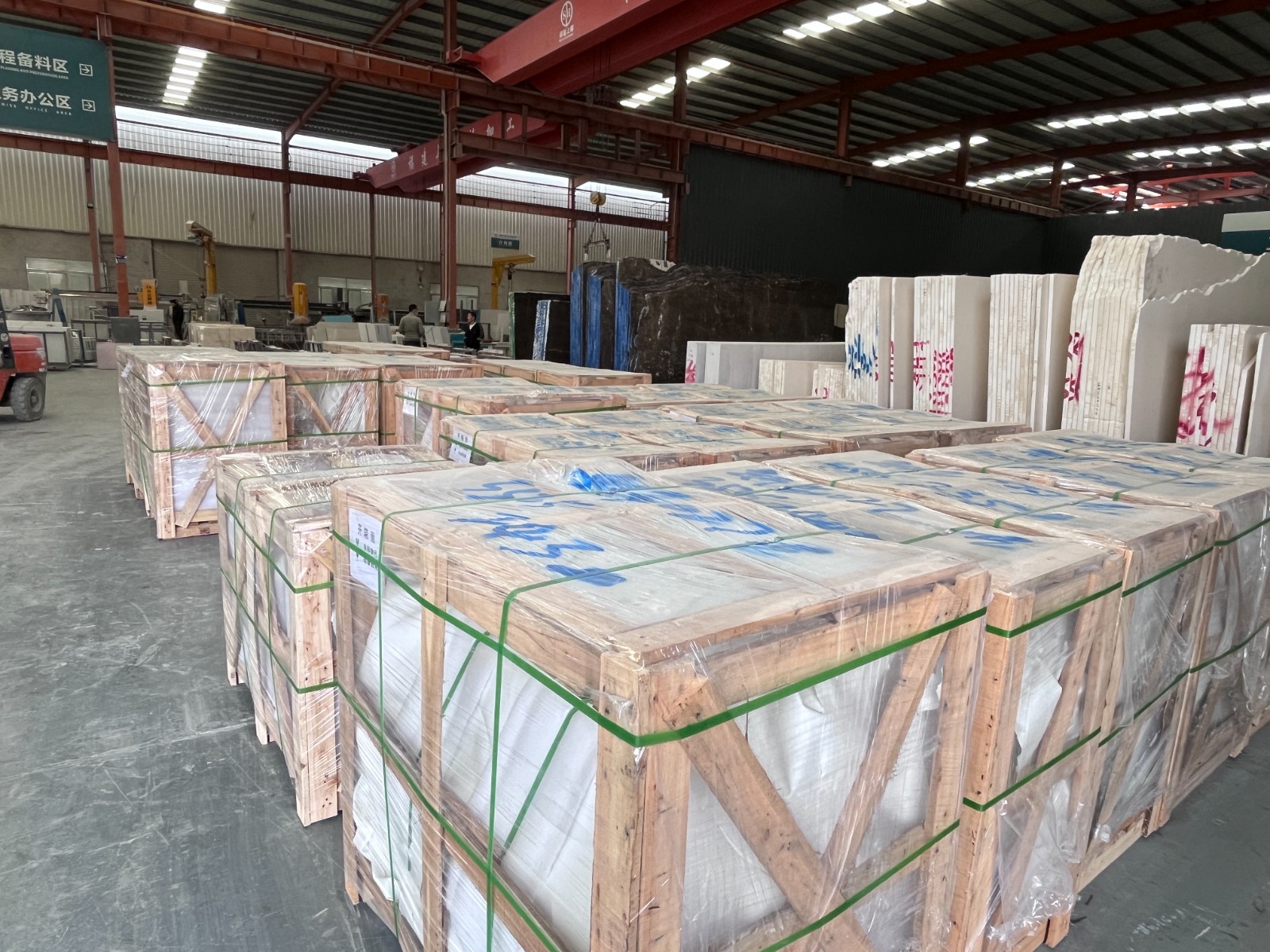
Handling risks — stone is heavy, fragile, and expensive to move
A slab extracted in Brazil, processed in Italy, and installed in the U.S. carries more than aesthetic value. It carries a logistical footprint. And every mile leaves a mark on the final price.
Conclusion
So, what determines the price of a quartzite slab? Not one factor. Never just one.
It’s a convergence—geology, craftsmanship, scale, and logistics all intersecting in a single surface. Some slabs are affordable, practical, predictable. Others feel almost geological in their rarity—formed by time, priced accordingly.
Choose based on what matters to you. Durability? Visual impact? Budget constraints? Or perhaps something less tangible—the quiet satisfaction of owning a material that took millions of years to form.